Home »
Estate Planning | Penrith | Lawyers / Solicitors
Secure your family’s future with clear, comprehensive estate planning. Our Penrith lawyers provide expert advice on Wills, Powers of Attorney, Enduring Guardianship, and compassionate support for Probate and deceased estates.
Trusted Estate Planning Solicitors Helping You Secure Your Future
At ALA Law, we understand that estate planning is about more than just documents, it’s about ensuring your loved ones are protected and your wishes are honoured. Our experienced estates lawyers in Penrith provide clear, personalised advice to help you navigate this important process with confidence and peace of mind.
Estate planning isn’t just for the elderly or wealthy. It’s essential for anyone who wants to safeguard their assets, streamline estate administration, provide for their family, and reduce unnecessary stress for loved ones. Our team will guide you through, ensuring your estate plan is legally sound and tailored to your unique circumstances.
Expert Estate Planning Advice in Penrith
We can provide you with advice on the wills and estate law matters:
Planning ahead gives you peace of mind and safeguards your family’s future. Speak with our estate planning experts today.
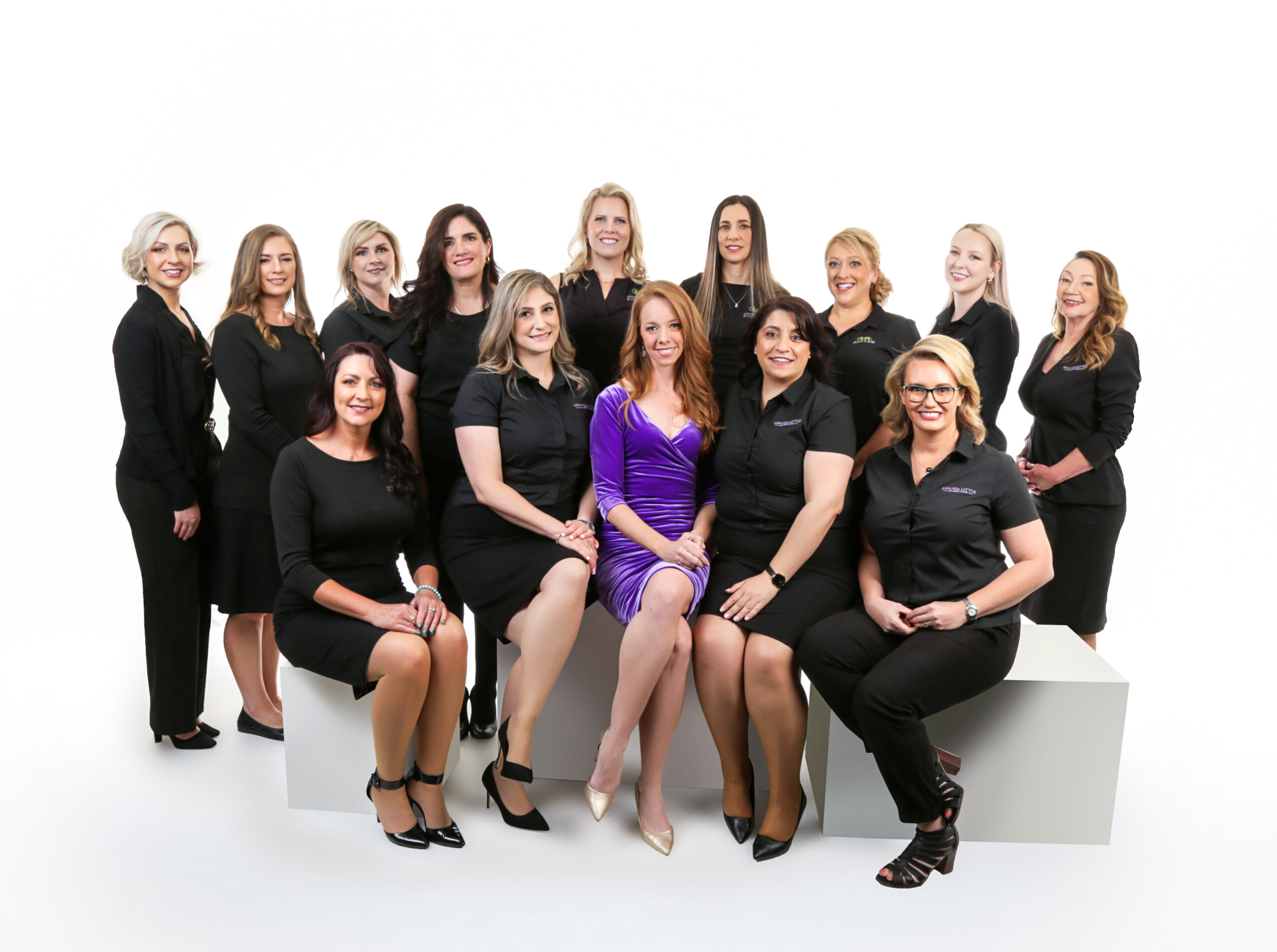
Planning for the future is one of the most important steps you can take to protect your loved ones. At ALA Law, we provide expert estate planning services to help individuals and families in Penrith and across Western Sydney in New South Wales secure their assets and ensure their wishes are honoured.
Our experienced team understands that estate planning is about more than just paperwork, it’s about providing clarity, security, and peace of mind. Whether you need a Will, power of attorney, enduring guardianship, or advice on complex asset protection, we offer clear, practical guidance tailored to your unique situation.
With a strong commitment to professionalism and client care, we take the time to understand your needs and develop an estate plan that safeguards your future. At ALA Law, we’re here to provide trusted legal support, ensuring you and your family are prepared for whatever lies ahead.
What Is Estate Planning?
Estate planning is more than just preparing a Will, it’s about ensuring your wishes are clearly documented and legally protected. A well-structured estate plan includes key legal documents such as a Will, Power of Attorney, and Enduring Guardianship documents, with the option to incorporate Advance Care Directives. At ALA Law, we work closely with you to create a comprehensive estate plan that reflects your intentions and safeguards your assets for the future.
Many people put off estate planning, but having a clear plan in place is one of the most important steps you can take for your loved ones. Without one, your family may face uncertainty and unnecessary stress when managing your estate. Taking action now provides peace of mind and helps prevent disputes or complications down the track.
It’s a common misconception that estate planning is only necessary later in life. In reality, having an estate plan from a younger age is a smart decision. Life circumstances change, whether through marriage, children, financial growth, or business ventures, and your estate plan should evolve with you. By putting a plan in place early, you can adjust it over time to reflect your changing needs and priorities

What Is an Estate Plan?
An estate plan is more than just a Will, it is a strategic approach to managing your assets and ensuring your loved ones are protected. A well-prepared estate plan helps minimise tax implications, safeguard your beneficiaries, and ensure your wishes are carried out effectively.
At ALA Law, we take a comprehensive approach to estate planning, guiding you through each step to create a plan that reflects your unique circumstances. The estate planning process includes:
- Assessing Your Assets and Liabilities – Taking stock of your financial position, including property, investments, superannuation, and any outstanding liabilities.
- Strategic Planning with Experts – Working with your financial planner or accountant to consider tax implications and asset distribution.
- Evaluating Asset Holdings – Reviewing jointly held assets, superannuation nominations, and assets that may fall outside your estate.
- Implementing Protective Measures – Taking necessary steps to secure assets, structure holdings efficiently, and ensure binding nominations align with your intentions.
- Preparing Essential Legal Documents – Drafting Wills, Powers of Attorney, and other legal instruments to ensure your estate plan is legally sound. Depending on your needs, this may include testamentary trusts, special disability trusts, or life estates
Who needs an estate plan?
Everyone should have an estate plan, regardless of age, wealth, or family structure.
Many people assume estate planning is only necessary later in life, but the reality is that a well-structured estate plan protects your family members, ensuring they receive their rightful inheritance without unnecessary legal hurdles. Without one, critical decisions about your estate or deceased estate could be left to others, potentially leading to disputes, unexpected tax burdens, or assets being distributed in a way that does not align with your wishes.
For example:
- Superannuation does not automatically form part of your estate, unless you have made a binding nomination, the trustee of your superannuation fund has discretion over how your benefits are distributed.
- Tax implications can significantly impact your beneficiaries, depending on how your estate is structured and who inherits certain assets.
These are just a few of the important legal considerations we address at ALA Law. The complexity of your estate plan will depend on several key factors, including:
- The size of your estate and the types of assets you hold
- Whether you have minor children or beneficiaries with disabilities
- If you are part of a blended family
- Whether any beneficiaries have been dis-entitled due to prior conduct
- The mix of dependent and non-dependent beneficiaries
What Legal Documents Are Included in an Estate Plan?
A well-structured estate plan typically includes the following key documents:
- Will – Outlines how your assets will be distributed and who will manage your estate.
- Power of Attorney – Appoints someone to make financial and legal decisions on your behalf if you are unable to do so. An Enduring Power of Attorney allows a trusted individual to manage your financial affairs if you become incapacitated.
- Enduring Guardianship – Designates a trusted person to make medical and lifestyle decisions if you lose capacity.
- Advance Care Directive ( if required ) – Provides clear instructions about your future healthcare and treatment preferences.
If an estate is contested, the matter may be escalated to the Supreme Court, where legal complexities require expert guidance.
Steps to Preparing an Estate Plan
Preparing Wills is an essential step in estate planning, ensuring your assets are distributed according to your wishes. Here’s how to get started:
Begin by assessing your financial situation:
- What assets do you own?
- What liabilities do you have?
- Do you hold assets jointly? Are they owned as joint tenants or tenants in common?
- Who is your superannuation provider? Does your super include a life insurance component?
- Should you create a comprehensive list of your assets and liabilities to assist your executor or attorney?
Consider what matters most when planning for the future:
- How can you best protect your family?
- Do you have enough insurance to cover your mortgage, children’s school fees, and your partner’s financial security?
- Who should care for your children if you are unable to do so?
- Are you in a second marriage and need to balance protecting your spouse and children from a previous relationship? Family law considerations may play a role in structuring your estate plan.
- Do you own complex business structures or significant assets? How should they be distributed?
- Do you wish to leave gifts to charities or specific individuals?
- Are you intentionally excluding a potential beneficiary?
- Do you have a beneficiary with a disability or someone at risk of financial mismanagement, divorce, or other vulnerabilities? Could your estate be subject to a family provision claim?
- How can you protect your estate from being contested or becoming subject to estate litigation?
Selecting the right individuals to manage your affairs is crucial.
- Who do you trust to make financial decisions on your behalf as your Power of Attorney?
- Who will make medical and lifestyle decisions for you as your Enduring Guardian?
These roles carry significant responsibility, so it’s essential to appoint people who will act in your best interests.
Estate planning is about protecting your loved ones. Our team at ALA Law will work with you to create a plan that reflects your wishes and provides clarity for your family’s future. Let’s put everything in place, so you can have peace of mind knowing your estate is in order
We provide Estate Planning Services to:
Penrith
Berkshire Park, Caddens, Cambridge Park, Claremont Meadows, Cranebrook, Emu Heights, Emu Plains, Glenbrook, Glenmore Park, Jamisontown, Jordan Springs, Kingswood, Orchard Hills, South Penrith, Werrington
South-West Sydney
Camden, Campbelltown, Elderslie, Glenfield, Ingleburn, Minto, Mount Annan, Narellan, Oran Park, Spring Farm
Sydney
Barangaroo, Eastern Suburbs, Inner West, North Sydney, Pyrmont, Surry Hills, Sydney CBD, Ultimo
Where to from here?
At your initial consultation, we will take the time to understand your needs and develop a tailored estate planning strategy that aligns with your circumstances. Since every client and estate is unique, our approach is personalised to ensure your wishes are protected.
Before your appointment, we will provide you with an information form to help you gather the necessary details. This will streamline the process and ensure we cover all key aspects of your estate plan.
To book a consultation with one of our Estate Planning Solicitors, contact ALA Law Estates at (02) 4761 6935.
Frequently Asked Questions
-
What is Estate Planning and why do I need it?
-
How do Wills work in Australia? (The Ultimate Guide)
-
Can I legally leave someone out of my Will?
-
What is a Testamentary Trust and what are the tax benefits?
-
What should I do if I don’t have an executor for my Will?
-
How do I manage complex asset structures in my estate plan?
-
What is a Special Disability Trust and who is it for?
-
Who can I nominate as a beneficiary for my Superannuation?
-
How does business succession planning work for small business owners?
What is Estate Planning and why do I need it?
Estate planning is a comprehensive legal strategy designed to protect your assets and ensure your loved ones are provided for according to your wishes. Beyond just a Will, a complete plan includes a Power of Attorney for financial matters and an Enduring Guardianship for medical decisions, helping you avoid intestacy laws where the government decides the distribution of your estate. Our Penrith estate planning team works with you to minimise tax implications and prevent future family disputes, ensuring your legacy is managed with integrity.
Take the first step in securing your family’s future by reading our guide to the essential components of an estate plan.
How do Wills work in Australia? (The Ultimate Guide)
A Will is a legally binding document that outlines your testamentary intentions, specifying how your assets should be distributed after you pass away. For a Will to be valid, it must be created by someone with full testamentary capacity and signed in the presence of two independent adult witnesses. Once the testator passes, the appointed Executor typically applies for a Grant of Probate to manage the “administration” of the estate, ensuring all gifts are distributed according to the deceased’s specific wishes.
Ensure your final wishes are legally protected by following our ultimate guide on how Wills work in Australia, including tips on execution and probate.
Can I legally leave someone out of my Will?
While you have the right to choose how your estate is distributed, certain “eligible persons”, such as spouses, de facto partners, and children, can contest your Will under the Succession Act 2006 (NSW) if they feel they haven’t been adequately provided for. To minimise the risk of a Family Provision Claim, it is essential to document your intentions clearly and seek specialist legal advice on structuring your estate. Our Penrith estate lawyers help you navigate these complexities to safeguard your wishes and protect your chosen beneficiaries from future litigation.
If you are considering excluding an individual from your estate, read our guide on the legal implications and how to minimise the risk of a contested Will.
What is a Testamentary Trust and what are the tax benefits?
A Testamentary Trust is a trust established within your Will that provides the Trustee with the discretion to distribute income among beneficiaries in a tax-effective manner. A primary benefit is the ability to distribute income to minor children, who are then eligible for the full adult tax-free threshold, allowing funds for school fees and expenses to be paid from pre-tax income. Our Penrith estate lawyers can help you structure these trusts to maximise tax planning opportunities and provide long-term asset protection for your family.
Maximise your family’s inheritance by learning more about the taxation benefits and asset protection offered by Testamentary Trusts.
What should I do if I don’t have an executor for my Will?
If you do not have a family member or spouse suitable for the role, you can appoint a trusted friend, a neighbor, or a professional such as an accountant or doctor. Many individuals also choose to appoint their solicitor to ensure the estate is administered with professional impartiality, or as a final resort, the Public Trustee. Our Penrith estate planning team can discuss these options with you to ensure your Will includes a reliable executor who can fulfill your testamentary wishes without conflict.
Don’t let a lack of an executor stop you from protecting your legacy; explore your options for appointing a professional or independent executor.
How do I manage complex asset structures in my estate plan?
Managing complex assets – including business interests, discretionary trusts, and diverse investment portfolios – requires a comprehensive inventory and a clear understanding of legal ownership versus control. In NSW, effective management involves using specialised structures like testamentary trusts to protect assets from creditors and minimise tax liabilities for beneficiaries. Our Penrith team works alongside your financial advisors to ensure your estate plan addresses business succession and complies with the Succession Act 2006, providing a secure legacy for high-net-worth families.
Protect your wealth and ensure a seamless transition of assets by reviewing our expert guide on managing complex asset structures in NSW.
What is a Special Disability Trust and who is it for?
A Special Disability Trust is a specific type of trust established within a Will to provide for the future care, accommodation, and medical needs of a beneficiary with a severe disability. These trusts allow a significant amount of assets to be held (up to $681,750, indexed annually) without affecting the beneficiary’s eligibility for social security benefits like the Disability Support Pension. Our Penrith estate lawyers assist families in structuring these trusts to ensure their loved ones remain financially secure while accessing crucial government support and potential gifting exemptions for family members.
Ensure your vulnerable loved ones are protected long-term by reading our detailed guide on the benefits and eligibility for Special Disability Trusts.
Who can I nominate as a beneficiary for my Superannuation?
Superannuation does not automatically form part of your Estate, so you must ensure your “binding nomination” is made to an eligible beneficiary to be valid. This typically includes your legal personal representative (your Estate’s executor), a spouse, your children, or anyone financially dependent on you. Our Penrith estate lawyers can help you structure these nominations alongside your Will to ensure your death benefits are distributed securely and reach your intended loved ones.
Take control of your retirement benefits by learning more about eligible beneficiaries and binding nominations for your superannuation.
How does business succession planning work for small business owners?
Business succession planning involves creating a roadmap for the smooth transfer of leadership and ownership to the next generation or a chosen successor. It requires early intervention to train future leaders, transparent communication to avoid family disputes, and the integration of legal and financial advice to handle tax and structural complexities. Our Penrith team specialises in helping local business owners safeguard their legacies, ensuring that the transition occurs without compromising the stability or value of the enterprise.
Protect the future of your family enterprise by exploring our comprehensive tips for navigating business succession planning.
Meet our Estate Planning Lawyers in Penrith
Jacinta Watkins
Partner
Estate Planning and Deceased Estate
Collaborative Professional
Bernadette Melhem

Partner: Family Law
Accredited Specialist Family Law, Mediator
Jessica Bristow
Associate
Jayne Howarth
Associate
Julia Davies
Lawyer
Wish to discuss your situation with an Estate Planning Lawyer?
Please contact our ALA Law office for relevant advice and help